Why Rest Feels Uncomfortable When You’re Used to Survival Mode
You finally have nothing to do.
No emails that need an immediate response. No appointment you’re rushing to. No one needs anything from you for at least the next hour. You’ve spent the entire week saying how badly you need a break, and now you actually have one.
So why the hell can’t you relax?
Instead of enjoying the downtime, you start thinking about the laundry. And then you remember something you forgot to do at work. Without thinking you pick up your phone, put it down, and pick it up again three minutes later. You feel restless and a little guilty, or you suddenly notice thoughts and emotions that seemed perfectly manageable when you were busy.
If rest feels uncomfortable, there may be more happening than simply being “bad at relaxing.” For people who have experienced trauma, chronic stress, anxiety, or long periods of survival mode, slowing down can feel surprisingly unfamiliar. Your life may be calm in that moment, but your nervous system hasn’t necessarily gotten the memo.
What Does It Mean to Be in Survival Mode?
“Survival mode” gets thrown around a lot online, but it generally describes what happens when your brain and body spend an extended period focused on getting through whatever is directly in front of you. Instead of having much capacity for reflection, rest, or long-term planning, your nervous system prioritizes responding to stress and keeping things moving.
Sometimes survival mode develops because of trauma. Other times it comes from prolonged stress, an unpredictable home environment, caregiving responsibilities, a high-pressure job, relationship instability, financial stress, or years of feeling like there’s always another problem around the corner. First responders and people in other high-stress professions can become especially accustomed to functioning this way because staying alert and responding quickly are literally part of the job.
Survival mode can also be incredibly functional. You get things done. You solve problems. You become the person everyone can depend on. From the outside, you might even look like you’re handling stress exceptionally well. The problem is that your nervous system can get so used to operating in that state that calm starts feeling unfamiliar.
Why Can Rest Feel Unsafe?
When your nervous system has spent a long time expecting the next problem, the absence of a problem doesn’t automatically register as safety. Sometimes it registers as uncertainty.
Think about how strange silence feels after you’ve been somewhere extremely loud. Even though the noise has stopped, your system takes a minute to adjust. Something similar can happen after prolonged periods of stress. Your environment may have changed, but your body is still waiting for whatever comes next.
That can make rest feel less like relief and more like vulnerability. When you’re busy, you know what you’re supposed to be doing. There’s a task to complete, a person to help, or a problem to solve. When those things disappear, you’re left without the activity that has helped your nervous system feel organized and in control.
This is closely connected to our post on Anxiety and Control, and why letting go can feel unsafe. For some people, constant activity creates predictability. Slowing down means temporarily giving up that sense of control, and the nervous system may not be particularly enthusiastic about the idea.
Sometimes Busyness Is Doing More Than Keeping You Productive
There’s nothing inherently unhealthy about liking a full schedule. Some people genuinely enjoy being active, accomplishing things, and moving from one project to another. The question is what happens when you stop.
Can you sit on the couch for an hour without mentally cataloging everything you “should” be doing? Can you take a day off without finding six new projects? Can you go on vacation without checking work constantly? Can you have an empty Saturday without immediately trying to fill it?
If the answer is no, staying busy may be doing more emotional work than you realize.
In our blog Emotional Avoidance: How Staying Busy Becomes a Coping Strategy, we talked about how productivity can become an incredibly socially acceptable form of avoidance. Staying busy gives your brain somewhere to direct its attention, which can temporarily keep anxiety, grief, anger, loneliness, or unresolved trauma in the background.
The problem is that those things don’t necessarily disappear because you reorganized the garage.
Why Everything Can Feel Louder When You Finally Slow Down
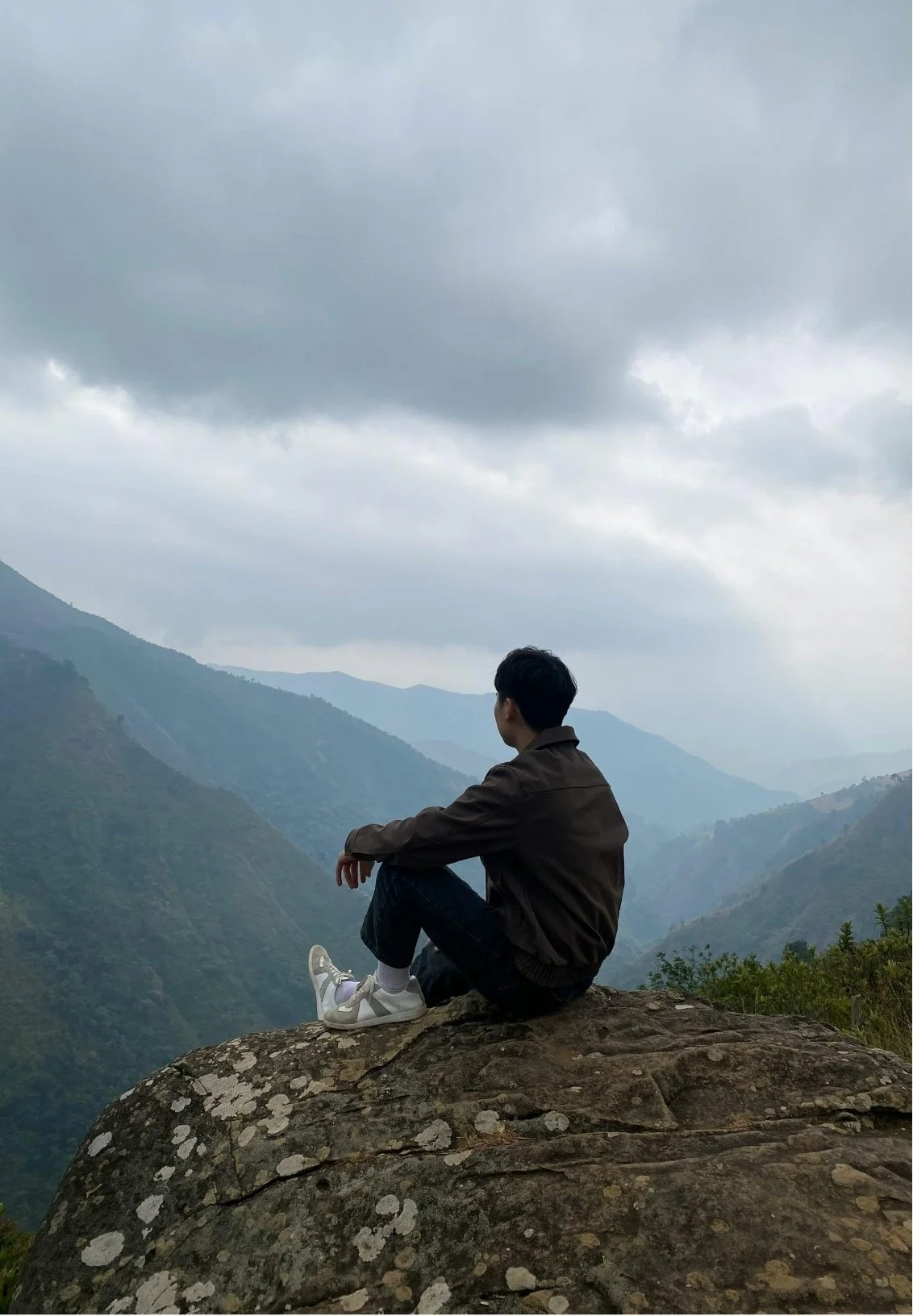
One of the frustrating parts of survival mode is that you may feel relatively fine while you’re in it. It’s often when things calm down that you start feeling worse.
Maybe work finally gets less hectic and suddenly you’re exhausted.
You finish a major project and feel strangely emotional instead of relieved.
You go on vacation and spend the first two days irritable and unable to settle.
Or you get into bed after an exhausting day and your brain decides midnight is the ideal time to review every concern you've successfully ignored since breakfast.
When the external demands decrease, your brain finally has room to notice what has been happening internally. That’s one reason that downtime and difficulty falling asleep are so connected to this experience. Quiet doesn't necessarily create the distress. Sometimes quiet simply makes it easier to hear what was already there.
This can be confusing because people expect rest to immediately feel restorative. When it doesn't, they often assume they need to get better at relaxing. In reality, their nervous system may need time and support to learn that slowing down is actually safe.
Rest Can Bring Up Emotions You Haven’t Had Time to Feel
Survival mode is very good at prioritizing.
If you’re dealing with an emergency, managing a chaotic household, working a demanding job, or navigating a difficult period in your life, your brain may essentially decide, “We don't have time for this right now.”
That ability can be useful. Human beings are remarkably good at compartmentalizing when necessary. You can get through a difficult shift, finish the presentation, take care of your family, or handle the immediate crisis without processing every emotion in real time.
The problem comes when “not right now” quietly becomes “not ever.”
Eventually, there may be fewer distractions between you and whatever has been pushed aside. That’s when sadness, anger, anxiety, grief, or old memories can seem to appear out of nowhere. They usually didn't come out of nowhere. You finally had enough space to notice them.
Feeling Guilty About Rest Is Part of the Pattern Too
Not everyone experiences rest as anxiety. Sometimes it shows up as guilt.
You sit down and immediately think about everything you could be doing instead. You take a sick day and spend half of it wondering whether you're actually sick enough to deserve it. Someone offers to help you and your first instinct is to say, “No, I've got it,” even when you very clearly do not have it.
For some people, this comes from environments where productivity was closely connected to praise, approval, or worth. You may have learned early that being useful kept people happy, being responsible prevented problems, or needing less made life easier for everyone around you. Those lessons can stick around long after you've left the environment where you learned them.
As an adult, rest can then feel like something you have to earn. And because there is always another email, load of laundry, household project, or work task available, you've conveniently created a system in which rest is never technically earned.
High-Stress Jobs Can Make the Transition Even Harder
For first responders, military personnel, healthcare professionals, and others who regularly work in high-stress environments, shifting from alert to relaxed isn't as simple as clocking out.
Your job may require you to scan your surroundings, anticipate problems, make quick decisions, and stay emotionally contained while difficult things are happening. Those skills are useful at work. The trouble starts when your nervous system continues using them while you're sitting at home on the couch.
You may find yourself restless on days off, unable to sleep after a shift, or constantly looking for something productive to do. Some people even notice that they feel more comfortable at work, where being alert makes sense, than they do during quiet stretches at home.
That doesn't mean you secretly love being stressed. It may simply mean stress is familiar, and familiar can sometimes feel safer to the nervous system than calm.
You Don’t Have to Force Yourself to Relax
Once people recognize this pattern, they sometimes decide they're going to fix it by aggressively relaxing.
They schedule a completely empty weekend, put their phone away, sit down, and expect their nervous system to cooperate… then they spend twenty minutes feeling miserable and conclude that they're incapable of resting.
If you've spent years operating in survival mode, going from constant activity to complete stillness can be a pretty dramatic shift. It may be more helpful to build tolerance for rest gradually instead of treating relaxation like another task you need to master.
That could mean taking a short walk without listening to anything, drinking your coffee before checking your email, sitting outside for ten minutes, or leaving a small part of your weekend intentionally unscheduled. The specific activity matters less than giving your nervous system repeated experiences of slowing down without something terrible happening.
Rest doesn't have to mean lying perfectly still while thinking peaceful thoughts. The goal is flexibility. You want to be able to move when you choose to move and stop when you choose to stop, rather than feeling like constant activity is the only way to stay comfortable.
When Trauma Is Keeping Your Nervous System on Alert
Sometimes changing routines is enough to make rest easier. Other times, the discomfort is connected to trauma or chronic nervous system activation that needs more direct attention.
You may logically know that you're safe, but your body continues behaving as though you need to be ready for something. That's the same disconnect we often see when people understand their triggers intellectually but continue experiencing strong physical or emotional reactions.
Trauma-focused approaches such as EMDR therapy and Brainspotting therapy can help address those patterns differently than insight alone. As we discussed in Brainspotting for Trauma: When Talk Therapy isn’t Getting You Where You Want to Go, sometimes you already understand the pattern. The next step is helping your nervous system respond differently to it.
Therapy can also help you figure out what rest represents to you. Maybe slowing down creates anxiety because you're used to anticipating problems. Maybe productivity has become tied to your sense of worth. Maybe quiet gives unresolved emotions more room to surface. Those are different problems, and understanding which one you're dealing with matters.
Learning How to Rest After Survival Mode

Getting out of survival mode doesn't mean becoming a completely relaxed person who never feels stressed again. That's neither realistic nor particularly necessary.
The goal is to develop more range.
You can handle a demanding week without staying activated all weekend. You can solve problems without constantly searching for the next one. You can be productive because you want to accomplish something, not because sitting still makes your skin crawl. Over time, rest can start feeling less like an absence of productivity and more like a normal part of being a person.
Your nervous system learned how to survive because it needed to. It can also learn that it doesn't have to stay there forever.
Takeaways
Survival mode can develop after trauma, chronic stress, unpredictable environments, caregiving demands, or high-stress work.
When your nervous system becomes accustomed to constant alertness, rest can feel unfamiliar or even unsafe.
Staying busy can sometimes function as emotional avoidance by keeping difficult thoughts and feelings in the background.
Anxiety, sadness, anger, grief, or racing thoughts may become more noticeable when life finally gets quiet because there are fewer distractions competing for your attention.
Feeling guilty when you rest can be connected to beliefs about productivity, responsibility, control, and self-worth.
You don't have to force yourself into complete stillness. Building tolerance for downtime gradually can help your nervous system become more comfortable with rest.
If trauma or chronic stress is keeping your nervous system on alert, trauma therapy, EMDR, or Brainspotting may help address the underlying pattern.
A Next Step
If you finally get a chance to rest and immediately start looking for something to do, it may be worth getting curious about what happens when you slow down. Sometimes the issue isn't that you don't know how to relax. It's that your nervous system has spent a long time learning why it shouldn't.
If you're in South Carolina and would like help understanding the anxiety, trauma, or chronic stress that makes it difficult to truly slow down, reach out to Waterfall Wellness to learn more about our therapy options.