First Responder Substance Use: Signs, Causes, and Help
Most people don't become first responders because they want an easy job. They choose careers that ask them to run toward emergencies, make split-second decisions, witness things most people never will, and then somehow show up the next day ready to do it all over again.
That kind of work changes people.
Sometimes it builds resilience. Sometimes it builds incredible purpose. Often, it does both. But it also puts an enormous amount of stress on the nervous system. For many police officers, firefighters, EMS professionals, dispatchers, corrections officers, and other first responders, alcohol or other substances slowly become part of how they cope. It doesn't usually happen overnight, and it doesn't always look the way people expect. Someone can still be excellent at their job while quietly struggling outside of work.
If you're in Charleston, SC and wondering whether substance use has become more than just a way to unwind after shift, it's worth paying attention to the signs before the problem grows larger.
Why First Responders Face a Higher Risk
First responders experience stress differently than many other professions. The job often involves repeated exposure to trauma, unpredictable situations, life-threatening events, and enormous responsibility. Even when those experiences don't result in post-traumatic stress disorder, they still affect the brain and body over time.
The nervous system adapts to constant activation by staying alert long after the shift is over. That's one reason many first responders say they have a hard time relaxing, sleeping, or feeling fully present at home. Our post on First Responder Sleep Problems explains why the body often struggles to shut down after shift, even when you're exhausted. When your nervous system never fully settles, it's understandable that you'll start looking for something that helps.
Why Alcohol Often Becomes the Go-To
Alcohol is legal, socially accepted, and easy to access. And for someone who spends an entire shift operating at a high level of alertness, a drink after work can feel like flipping an off switch. At first, it works: it helps you relax, it quiets your thoughts, and it makes it easier to fall asleep.
The problem is that alcohol isn't teaching your nervous system how to recover. It's temporarily overriding it.
Over time, many people find they need alcohol more often or in greater amounts to get the same effect. Meanwhile, sleep quality declines, anxiety increases, and stress becomes harder to manage without drinking. That's how a coping strategy can gradually become a dependency.
Substance Use Doesn't Always "Look Like" Addiction
One of the biggest misconceptions about substance use is that it has to be obvious. In reality, many first responders continue performing at a high level while privately struggling with alcohol or other substances.
They're still showing up for work. They're still taking care of their families. They're still doing everything they're supposed to do.
From the outside, nothing seems wrong. Functioning well doesn't necessarily mean everything is okay. Sometimes the struggle is happening quietly.
Signs That It's Time to Pay Closer Attention
There's no single sign that tells you alcohol or another substance has become a problem. More often, it's a collection of small changes that build over time.
You might notice that you're looking forward to drinking more than you used to. Maybe it's become your primary way of relaxing after work, or maybe you're finding it harder to enjoy a day off without it. You may also realize that you're drinking more than you intended or becoming defensive when someone asks about it.
Another common sign is feeling like stress is becoming harder to manage without alcohol. If you've tried cutting back and found yourself returning to the same pattern, that's worth paying attention to. The question isn't whether your situation is "bad enough." The better question is whether alcohol has become the only reliable way your nervous system knows how to recover.
The Culture Around First Responders Can Make It Harder
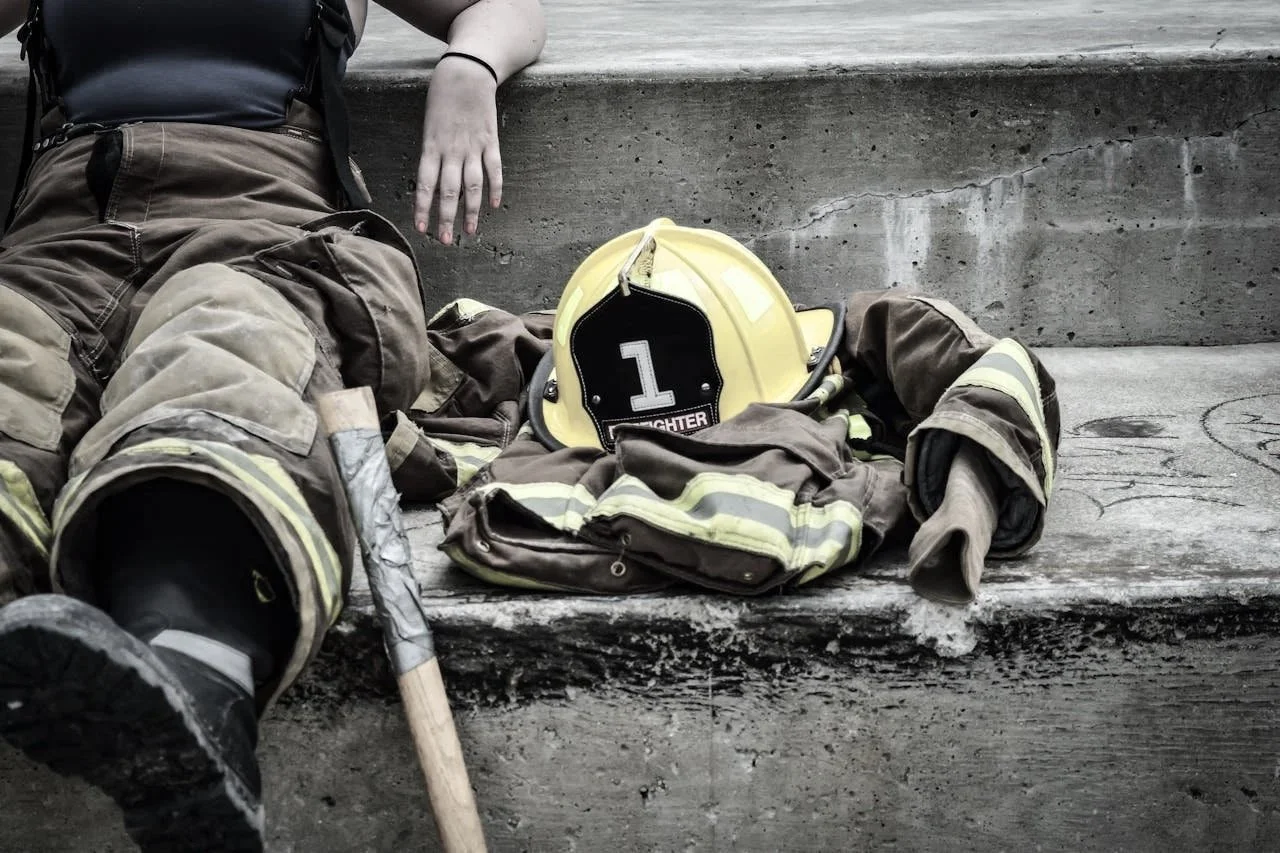
Many first responders work in environments where strength, competence, and self-reliance are highly valued. Those qualities are important on the job, but they can also make it harder to recognize when support is needed.
It's easy to tell yourself…
“everyone drinks after shift”
“everyone deals with stress this way”
“I can stop whenever I want.”
Sometimes that's true. Sometimes it's a way of avoiding a much harder conversation.
Trauma Often Sits Beneath the Surface
Not every first responder develops trauma the same way, but repeated exposure to difficult experiences changes the nervous system. Some calls stay with you, some scenes replay in your mind unexpectedly, and some emotions get pushed aside because there isn't time to deal with them while you're working.
Eventually, those experiences need somewhere to go.
For some people, substances become a way to numb what never had a chance to be processed. This is one reason Trauma Therapy, EMDR Therapy, and Brainspotting can be so effective. Rather than focusing only on the drinking, they help address what your nervous system has been carrying underneath it.
Relationships Often Notice the Changes First
Long before someone's job performance changes, relationships often begin feeling the impact. Partners may notice emotional distance, increased irritability, or difficulty connecting outside of work. The first responder may feel like no one understands what they're carrying. The partner may feel like they're slowly losing the person they love. Neither experience is uncommon.
When substance use starts affecting communication, trust, or emotional connection, couples therapy can provide a space to address both the relationship and the stress that's contributing to it.
Asking for Help Isn't the Same as Giving Up
One of the biggest barriers to treatment is the belief that asking for help somehow means you've failed. In reality, recognizing that your current coping strategies aren't working the way they used to is often a sign of self-awareness, not weakness. Therapy isn't about judging your choices. It's about understanding why those choices made sense in the first place and helping you build healthier ways to manage stress moving forward.
Help for First Responders in Charleston, SC

If you're a first responder in Charleston, SC and you've started questioning your relationship with alcohol or other substances, you don't have to wait until things get significantly worse before reaching out.
Whether you're noticing changes in your stress level, your sleep, your relationships, or your drinking, those are all valid reasons to have a conversation.
The goal isn't simply to stop drinking.
The goal is to help your nervous system recover in ways that allow you to keep doing the job you care about without sacrificing your own well-being in the process.
Takeaways
First responders face a higher risk of substance use because of chronic stress, trauma exposure, and nervous system overload.
Alcohol often begins as a coping strategy for stress, sleep problems, or emotional regulation before gradually becoming more central.
High-functioning substance use can be difficult to recognize because many people continue succeeding professionally while struggling privately.
Relationships are often the first place where the effects of substance use become noticeable.
Trauma-informed therapy, including EMDR and Brainspotting, can help address the underlying stress and trauma that often contribute to substance use.
Seeking help early can prevent unhealthy coping patterns from becoming more deeply established.
A Next Step
If you've started wondering whether alcohol or another substance has become your primary way of coping after work, it may be worth paying attention to that question. Sometimes asking it early makes all the difference.
If this resonates with you, feel free to reach out.