Emotionally Shut Down or Just Burned Out? How Trauma Affects Connection
You’ve probably asked yourself this at some point:
Am I emotionally shut down… or am I just exhausted?
Maybe your partner says you’re distant. Maybe you’ve noticed you don’t feel things the way you used to. Maybe intimacy feels like one more thing on your to do list instead of something you actually want.
Or maybe you’re the one feeling lonely in your relationship and you can’t figure out why your partner seems checked out.
Before you jump to conclusions like “we’re incompatible” or “this relationship is falling apart,” let’s slow down. Because emotional shutdown and burnout can look very similar on the surface. And trauma plays a much bigger role in connection than most people realize.
As a therapist, I see this dynamic all the time. Individuals and couples come in worried that something is fundamentally wrong, when in reality their nervous systems are overloaded.
Let’s talk about the difference between emotional shutdown and burnout, how trauma affects connection, and what actually helps.
What Does It Mean to Be Emotionally Shut Down?
When someone is emotionally shut down, it often feels and looks like…

Difficulty expressing feelings
Avoiding vulnerable conversations
Feeling numb or detached
Pulling away during conflict
Losing interest in emotional or physical intimacy
To the outside world, it might look like indifference. But most of the time, it’s not that simple.
Emotional shutdown is often a nervous system response. It’s the freeze part of fight, flight, or freeze. When your body perceives emotional threat, whether that threat is criticism, rejection, conflict, or overwhelm, it may shut things down to protect you.
This is incredibly common in trauma survivors, even if the trauma wasn’t dramatic or obvious.
Signs You’re Emotionally Shut Down Instead of Burned Out
Here are some clues it might be trauma driven shutdown rather than simple burnout:
Conflict feels threatening instead of tiring
You avoid vulnerability even when you want closeness
Emotional conversations trigger intense reactions
You feel numb rather than just exhausted
You’ve had similar patterns in previous relationships
Shutdown usually has a protective edge to it. There’s tension underneath the numbness.
Burnout, on the other hand, feels more like depletion without the same threat response.
What Does Burnout Look Like in Relationships?
Burnout looks similar, but the root is different.

Relationship burnout often includes:
Chronic exhaustion
Irritability
Reduced patience
Low libido
Feeling emotionally drained
When someone is burned out, they’re not necessarily avoiding connection because it feels unsafe. They’re avoiding it because they don’t have the energy.
Work stress. Parenting. Financial pressure. First responder culture. Caregiver roles. Addiction recovery. All of these can drain someone emotionally.
Burnout says: “I have nothing left to give.”
Emotional shutdown says, “It doesn’t feel safe to give.”
That’s an important distinction.
Signs It Might Be Burnout
Burnout tends to look like:
Chronic fatigue across multiple areas of life
Irritability that improves with rest
Decreased interest in hobbies and social activities
Feeling overextended
Resentment tied to workload
If rest, boundaries, and stress reduction improve connection, burnout may be the primary issue.
If connection still feels unsafe or overwhelming even when stress decreases, trauma may be playing a bigger role.
Trauma Changes How Safe Connection Feels
Here’s the part most people don’t connect.
Trauma doesn’t just affect how you respond to danger. It affects how you respond to closeness.
If your early relationships were unpredictable, critical, emotionally unavailable, or chaotic, your nervous system may associate intimacy with risk. Even if you consciously want connection, your body might brace against it.
You might notice:
Getting defensive quickly
Shutting down during conflict
Feeling overwhelmed by your partner’s emotions
Avoiding serious conversations
Pulling away after moments of closeness
This isn’t about not loving your partner. It’s about survival wiring. Unresolved trauma often lives in the body, not just the mind. You can logically know your partner isn’t your past, but your nervous system still reacts like it is.
That’s why trauma informed therapy matters in relationship work.
Emotional Shutdown in Couples Counseling
In couples counseling, one of the most common patterns I see is the pursue-withdraw cycle.
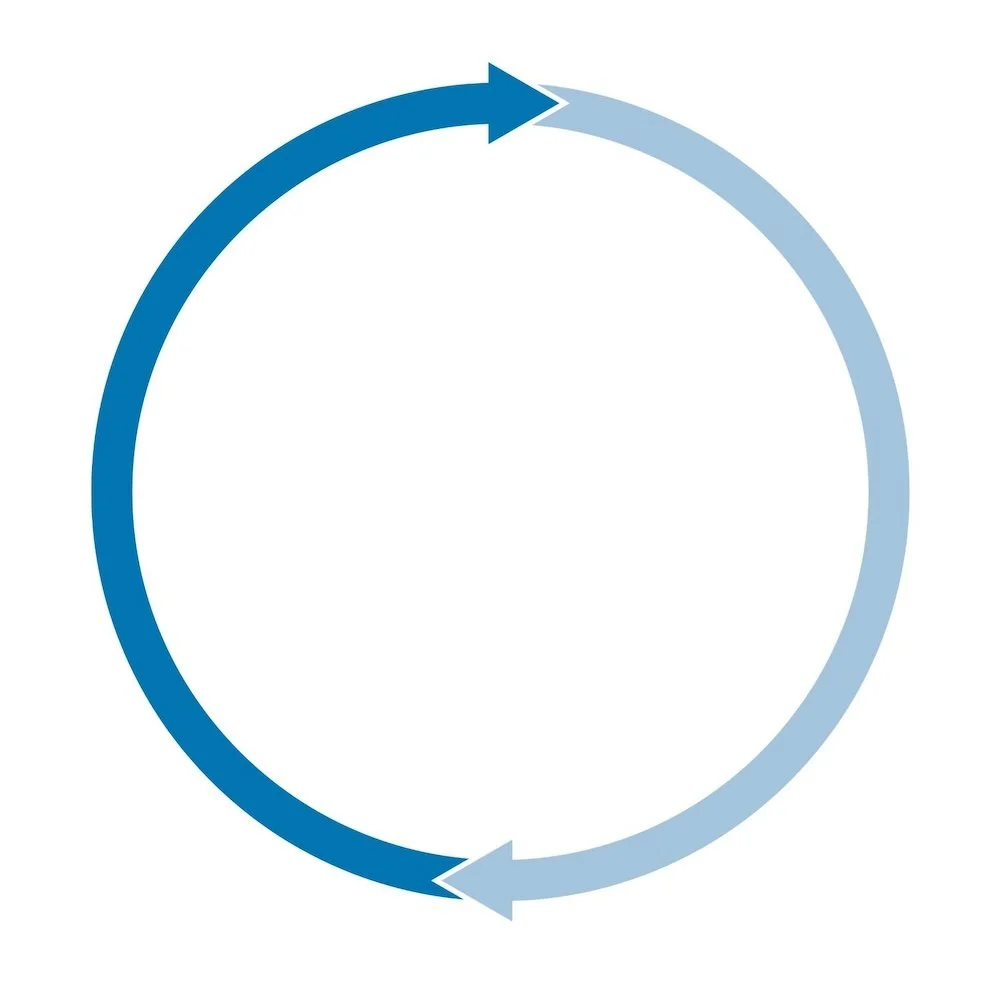
One partner wants to talk things out immediately. They push for reassurance. They want connection now.
The other partner feels flooded and overwhelmed. They shut down. Go quiet. Withdraw.
Now both people feel alone.
The pursuer feels rejected. The withdrawer feels attacked. And the cycle reinforces itself.
Without understanding trauma responses and nervous system regulation, couples end up blaming each other instead of addressing the pattern.
This is where couples counseling becomes incredibly helpful. Not because someone is wrong, but because the pattern needs to be slowed down and unpacked.
If you’re in South Carolina and recognizing this pursue withdraw pattern in your own relationship, couples counseling can help you slow it down, understand what’s underneath it, and start feeling connected again.
First Responders, Burnout, and Emotional Numbness
Let’s talk specifically about first responders for a minute.
If you’re in law enforcement, fire, EMS, healthcare, or any high intensity role, emotional numbing can feel necessary. You compartmentalize to do your job well. You can’t break down every time something traumatic happens.
But that compartmentalization doesn’t always turn off when you get home.
You might find that:
You struggle to shift into family mode
You feel emotionally flat
You don’t want to talk about your day
You snap over small things
Intimacy feels distant
This isn’t because you don’t care. It’s because your nervous system has been in survival mode for too long.
Therapy for first responders often includes trauma processing approaches like EMDR to help your brain reprocess what it’s been carrying.
If you’re a first responder who feels emotionally numb at home but on edge at work, therapy designed specifically for first responders can help you process what you’ve been carrying and reconnect with the people you care about.
EMDR and Reconnecting Emotionally
EMDR therapy isn’t just about big traumatic events. It’s about how unresolved experiences continue to shape your current reactions.
If emotional shutdown is rooted in past experiences of criticism, abandonment, or feeling unsafe, EMDR can help reduce the emotional charge attached to those memories.
When the emotional charge decreases, you might notice:
Less defensiveness
More emotional access
Increased tolerance for vulnerability
Reduced conflict escalation
You don’t suddenly become a different person. You just become less reactive. That shift alone can dramatically improve emotional connection in relationships.
If trauma responses are driving your shutdown or reactivity, EMDR therapy can help your nervous system reprocess those experiences so they stop hijacking your connection.
How to Rebuild Emotional Connection
Whether it’s shutdown or burnout, here are a few steps that help.
1. Stop Labeling Each Other as the Problem
Instead of “you’re emotionally unavailable,” try “something about this feels overwhelming for us.”
That one shift can reduce shame and defensiveness.
2. Regulate Before You Communicate
If your nervous system is activated, productive conversation isn’t happening. Slow breathing. Movement. Taking space. All of that matters more than winning an argument.

3. Get Curious About Patterns
Ask yourself:
When did I first learn to handle conflict this way?
What does closeness mean to me?
What feels threatening about vulnerability?
Curiosity reduces blame.
4. Consider Professional Support
If emotional shutdown keeps repeating in your relationships, individual therapy or couples counseling can help unpack what’s underneath.
You don’t have to wait until things fall apart.
You Don’t Have to Choose Between “Broken” and “Fine”
One of the biggest mistakes people make is assuming there are only two options: Either something is deeply wrong. Or everything is fine.
In reality, most people are somewhere in between. Functional, but struggling. Connected, but tired. Loving, but guarded.
Therapy isn’t about proving something is broken. It’s about understanding what’s happening and creating more safety, clarity, and connection.
If you’re in South Carolina and noticing emotional shutdown, burnout, or relationship disconnection, support is available. Virtual therapy makes it accessible without rearranging your life.
Takeaways & Related Blog Posts
Emotional shutdown and burnout can look similar but have different roots
Trauma affects how safe connection feels
Nervous system responses often drive withdrawal patterns
First responders are especially vulnerable to emotional numbing
EMDR therapy can reduce trauma driven reactivity
Couples counseling helps interrupt pursue withdraw cycles
You don’t need to be in crisis to benefit from therapy
Curiosity and regulation are more effective than blame
Possible Next Steps
If you’re wondering whether you’re emotionally shut down or just burned out, that question alone is worth exploring.
You don’t have to figure it out on your own. Whether you’re looking for individual therapy, trauma therapy, EMDR, or couples counseling in South Carolina, we’re here to help you sort through what’s happening and move toward real connection.
If you’d like to talk about what support might look like, you’re welcome to schedule a free consultation. No pressure. Just a conversation.